So, let me spill the beans (pun absolutely intended) on a topic that’s been a lifesaver for my backyard dreams—finding the perfect soil for my vegetable garden. Buckle up, my friend, because this ride’s got a mix of mishaps, triumphs, and a whole lot of dirty hands. Ready? Let’s dig in!
Table of Contents
Getting My Hands Dirty: The Early Days
Picture this: It’s a sunny Saturday morning, and there I am, armed with a cheap trowel and my ambition, ready to conquer the world—well, my tiny backyard plot. I start turning over the soil, feeling all sorts of accomplished. Little did I know, my soil was like trying to grow veggies in a brick. Yep, lesson one: Not all dirt is created equal.
I asked around, did my Google-fu, and discovered that my clay-heavy soil was the perfect recipe for disaster. My tomatoes? Sad little shriveled things. My carrots? More like stubby orange twigs. That’s when it hit me—I needed to up my soil game if I wanted my garden to stand a chance.
The Physics of Soil: Finding Your Perfect Loam
To build a thriving vegetable garden, you have to understand soil texture, which is simply the balance of sand, silt, and clay. Each of these has unique properties :
- Clay Soil: Clay particles are incredibly fine and bind tightly together. While clay is naturally rich in nutrients, it retains far too much water, easily compacts under the sun, and suffocates plant roots, leading to root rot. Note: Adding pure sand to clay will not improve drainage—it actually creates a structure similar to concrete!
- Sandy Soil: Sand has the largest particles. While it drains water rapidly and warms up fast in the spring, it fails to hold onto moisture and essential nutrients, causing them to wash away.
- Silty Soil: Silt particles fall right in the middle, offering a smooth, floury texture. Silt retains moisture well but compacts and erodes easily.
The absolute gold standard for growing vegetables is loam. Loam is a beautifully balanced, loose, and crumbly mixture consisting of roughly 40% sand, 40% silt, and 20% clay. It allows oxygen to reach plant roots while holding onto water and nutrients without ever staying soggy.
The DIY Squeeze Test: You don’t need a fancy lab to test your soil texture. Just scoop up a handful of damp garden soil and squeeze it in your fist. If it crumbles instantly like dry sand, it’s too sandy. If it forms a tight, slick, unbreakable ball, you are dealing with heavy clay. But if it holds its shape loosely when you open your hand, yet easily crumbles apart under light pressure from your thumb, you have achieved perfect loam.
Compost: The Secret Sauce (And How to Apply It)
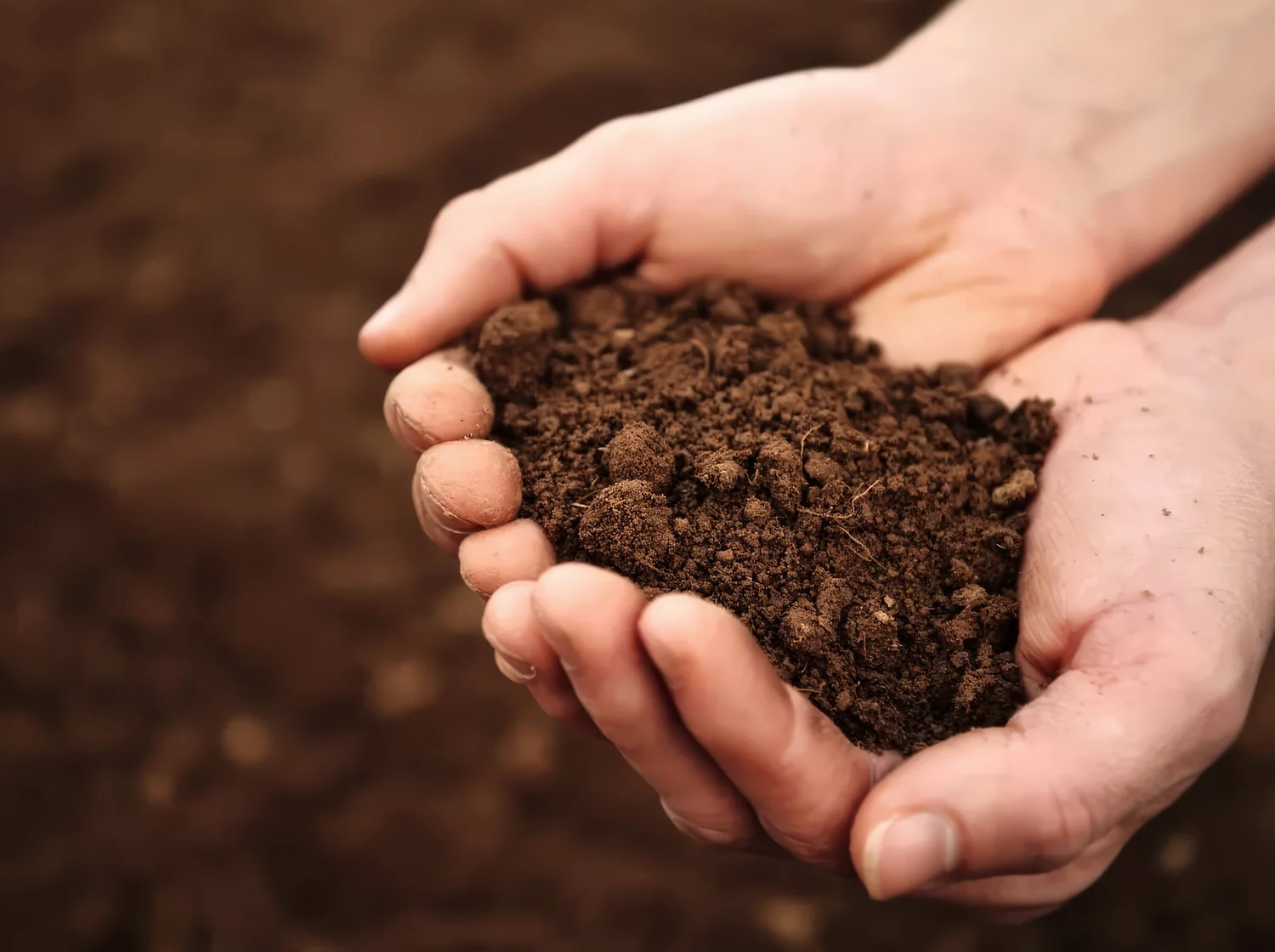
Image Credit: https://www.thelawnfirm.com.au/
Enter compost, the secret sauce of gardening. Imagine a magical mixture of kitchen scraps, yard waste, and a little sprinkle of garden fairy dust. Adding compost to my garden soil was like giving it a supercharged vitamin boost. Suddenly, my plants had the nutrients they needed, and I didn’t have to play the guessing game of “Why does my lettuce look like it’s auditioning for a horror movie?”
The process was simple: I set up a compost bin in the corner of my yard, chucked in veggie peels, coffee grounds, and the occasional cardboard. With time, I had this rich, dark compost that made my garden soil do a complete 180. Talk about a glow-up!
How to Apply Compost: The Gold Standard Ratios
While compost is magic, you have to apply it with a clear strategy. Too much compost can compact or overload your plants. As a general rule, aim for organic compost to make up between 25% and 50% of your total vegetable garden soil blend.
- For New Outdoor Garden Beds: Spread a 2 to 3-inch layer of organic compost over your planting area and gently mix it into the top 6 to 8 inches of your soil.
- For Established Garden Beds: Follow a gentle “no-dig” approach. Simply top-dress the surface with 1 to 2 inches of mature compost once or twice a year. Let the rain, beneficial soil microbes, and earthworms pull those rich nutrients down into the root zone naturally.
- The Best Time to Apply: Always add your compost in the fall. Applying it before winter allows the organic matter to break down, settle, and enrich the soil biology, making it perfectly primed for early spring planting. If you apply in the spring, make sure to work the compost into the soil as soon as the ground is workable and dry enough to handle.
The Power of pH: Soil Chemistry Basics
Here’s another gem from my gardening journey—soil pH matters. I learned the hard way that plants are like picky eaters. They need the right pH to thrive, and my initial soil was too acidic. Armed with a pH testing kit (fancy, right?), I tested my soil and found it needed a little lime love to sweeten the deal.
After amending the soil, I saw a noticeable difference. My plants were happier, greener, and they weren’t just surviving—they were thriving. A little balance goes a long way, and my veggie garden started to look less like a disaster zone and more like something out of a gardening magazine.
Soil Chemistry: Mastering the pH Scale
Soil pH directly dictates your plants’ ability to feed. Most vegetables thrive in a mildly acidic to neutral pH range between 6.0 and 7.0, which supports rich microbial activity. If your pH drifts too far outside of this range, it does not matter how much fertilizer or compost you add—the nutrients become chemically locked in the soil matrix, completely inaccessible to your plants’ roots.
To find out where your soil stands, use a simple, reliable soil kit like SoilKit. Once you have your results, you can easily adjust your soil’s chemistry :
- How to Raise pH (For Highly Acidic Soil): Apply pelletized dolomitic limestone to sweeten the soil. Dolomitic lime also introduces beneficial calcium and magnesium to support cell wall development.
- How to Lower pH (For Alkaline Soil): If your soil pH is above 7.0, apply elemental sulfur, aluminum sulfate, or chelated iron to increase acidity.
Keep in mind that some crops are picky exceptions to the rule! Acid-loving blueberries must have a highly acidic soil pH between 4.0 and 5.5 to absorb iron. Potatoes also favor slightly acidic soil to help prevent common skin scab diseases. Conversely, perennial asparagus thrives in a slightly alkaline environment of 6.5 to 7.5.
Mulch Madness: Selecting the Best Veggie Garden Mulch
Mulch became my garden’s best friend. Think of it as a cozy blanket for your soil, keeping it moist and weed-free. I used straw and wood chips to mulch around my plants, and it made a world of difference. Plus, there’s something incredibly satisfying about seeing neat, mulched rows of veggies. It’s like garden zen.
Selecting the Best Veggie Garden Mulch
Mulching is essential for preserving soil health, regulating root temperatures, and blocking weed seeds from getting the light they need to sprout. However, not all mulches are safe for edible vegetable gardens.
The absolute best veggie garden mulch options include clean, chemical-free wheat straw, shredded leaves, or fine wood chips. Always verify that any straw or organic material you put in your garden has not been previously treated with long-acting herbicides, which can permanently stunt your tomato and pepper plants. Apply a steady 2 to 3-inch layer around your vegetables, leaving a tiny bit of space around the plant stems to prevent rot.
Raised Beds: The Blueprint for Filling a Top Soil Raised Bed
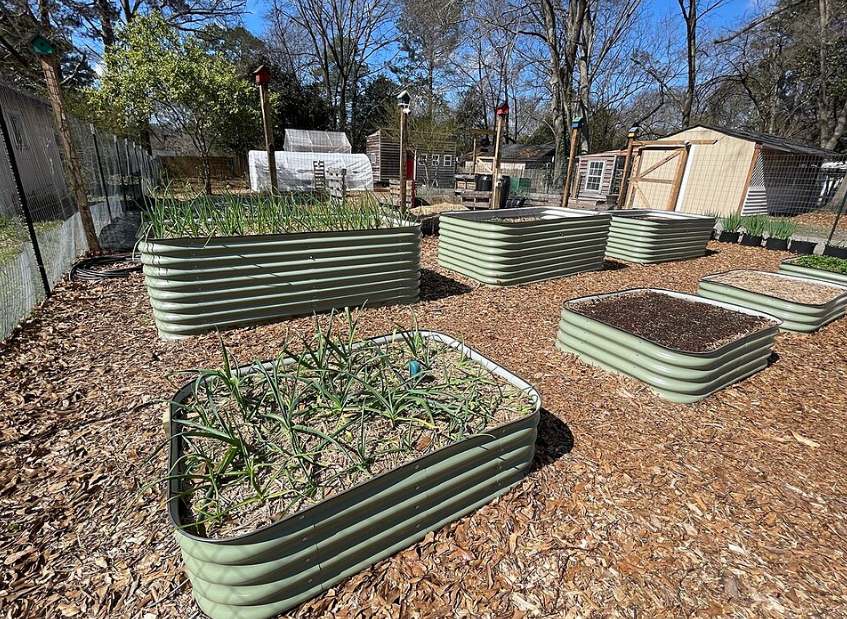
And finally, the pièce de résistance—raised beds. When I made the switch to raised beds, it was like my garden went from a struggling toddler to an overachieving honor student. Raised beds allowed me to control the soil quality, drainage, and even plant spacing. It was a total game changer. I built mine with some old pallets and a little elbow grease, and let me tell you, my veggies have never been happier.
One hurdle with deep raised beds is the cost of filling them with premium soil. Luckily, you can fill a new raised garden bed on a budget using a smart layering technique :
- The Bottom Layer (The Budget Hack): Fill the bottom third of deep raised beds (like 15 to 29-inch tall beds) with coarse organic material like decaying logs, tree branches, dry leaves, pinecones, and straw. This borrows from the traditional Hugelkultur method. It adds mass for free, drains beautifully, and slowly decomposes over years to feed your soil biology from below.
- The Middle Layer: Water the bottom organic layer heavily to settle it before adding soil, as organic matter will compress over time.
- The Top Layer (The Growing Zone): Fill the top 6 to 8 inches of your bed with a high-quality, balanced growing mix. This is the critical root zone where your vegetables will feed.
3 Proven DIY Raised Bed Recipes (Mel’s Mix, Joe’s Blend & More)
For your growing zone, avoid using plain topsoil (which is too heavy and compacts easily) or plain potting soil (which lacks structural weight). Instead, use one of these three proven raised bed recipes :
| Soil Recipe Name | Ratio & Key Ingredients | Yield Performance Notes | Best Use Cases |
| The Classic 3-Part Mix | 40% Screened Topsoil, 40% Quality Compost, 20% Coarse Sand or Perlite | Extremely reliable baseline yields; great natural minerals | All-purpose raised beds; highly cost-effective |
| Joe Lamp’l’s “Perfect Recipe” | 50% Screened Topsoil, 30% Bulk Compost, 20% Organic Matter (Worm Castings, Aged Manure) | Produced an impressive 5.3 lbs of Roma tomatoes per plant in field testing | Long-term bed setups; highly stable, nutrient-dense pH (~6.8) |
| Mel’s Mix (Square Foot Gardening) | 1/3 Sphagnum Peat Moss, 1/3 Coarse Vermiculite, 1/3 Multi-Source Organic Compost | Exploded with 7.0 lbs of Roma tomatoes per plant; unmatched aeration | Intensive gardening; square-foot garden boxes |
Tip: When buying topsoil, look for the word “screened” on the label to make sure you aren’t paying for heavy clay clumps, wood debris, and large rocks!
Best Potting Soil for Container Vegetables
If you are growing your vegetables in pots, grow bags, or elevated patio planters, your soil has to work twice as hard. Never use native garden topsoil in containers! Native topsoil is extremely heavy and will quickly pack down in a pot, trapping excess water, eliminating airflow, and rotting your vegetable roots.
Instead, containers require a lightweight, highly aerated, soilless potting mix. If you want to mix a premium container soil at home, here is Jacques’ Epic DIY Container Recipe (a proven, high-yielding living soil mix) :
- 33% Sustainable Coconut Coir (or Sphagnum Peat Moss) to absorb water and keep the soil fluffy.
- 33% Organic Compost & Worm Castings for consistent, gentle nutrition and microbial life.
- 33% Pumice, Perlite, or Vermiculite to prevent soil compaction and create permanent drainage channels.
- The Pro-Tip Additive: Mix in a light dusting of Azomite volcanic rock dust (about 1% of the total mix) to introduce over 70 trace minerals, which dramatically boosts plant immunity and flavor.
If you prefer the convenience of store-bought bags, go with what professional growers trust. High-quality, reliable brands like Fox Farm Happy Frog, Fox Farm Ocean Forest, or Roots Organics Lush offer elite biological activity right out of the bag.
Crop-Specific Soil Optimization: Tomatoes, Carrots, and Asparagus
Because different vegetables feed differently, you can maximize your harvest by tailoring your soil blends to specific crops :
1. Tomatoes (Heavy Feeders)
Tomatoes need incredibly rich, stable soil with excellent drainage. Because they are prone to calcium deficiencies (which causes the dreaded blossom end rot where the bottom of your tomatoes turn black and mushy), always mix a handful of organic bone meal, oyster shell flour, or calcium-rich worm castings directly into the bottom of the planting hole.
2. Carrots (Loose and Sandy)
Carrots and other root vegetables require loose, sandy, and highly porous soil. If carrot roots encounter heavy clay or solid rocks, they will split, grow stunted, or turn into funny, misshapen orange twists. Mix 1 part coarse horticultural sand or perlite into your planting mix to keep the texture completely open and airy.
3. Asparagus (Perennial Bed Preparation)
Because asparagus is a perennial crop that will stay in the same spot for over fifteen years, preparing the soil beforehand is critical. Dig a deep trench, pack it with rich composted manure, and aim for a slightly alkaline pH of 6.5 to 7.5 to support robust crown growth year after year.
Lessons Learned
If I’ve learned anything from this dirt-filled adventure, it’s that good soil is the foundation of a great garden. It took some trial and error, a bit of research, and a whole lot of patience, but the results were so worth it. Watching my garden flourish feels like a tiny miracle, and now I get to enjoy fresh, homegrown veggies every day.
So, there you have it, the down-and-dirty (literally) tale of my quest for the best vegetable garden soil. Here’s to lush greens, bountiful harvests, and the joy of getting our hands a little dirty in the process.
Related Post:
- Vegetables that Can Grow Indoors Without Sunlight
- Best Fruit Plants for Home Garden
- How to Grow Organic Vegetables at Home
FAQ about Soil and Fertilizers for Vegetable Gardens
1. What Kind of Soil is Best for a Vegetable Garden?
The ideal type of soil for a vegetable garden is loam. Loamy soil is a mix of sand, silt, and clay, and it provides good drainage, holds moisture, and contains plenty of organic matter. This type of soil has a crumbly texture, which allows roots to grow easily and access nutrients.
2. What is the Best Soil for Starting Vegetables?
For starting vegetables, seed starting mix is ideal. This mix is lightweight, well-draining, and free of diseases and pests. It’s usually made from a combination of peat moss, vermiculite, and perlite. Seed starting mix provides a nurturing environment for seeds to germinate and grow strong roots.
3. What is the Best Soil Enhancer for Vegetable Gardens?
Compost is the best soil enhancer for vegetable gardens. It boosts the soil by adding vital nutrients, enhances the soil’s composition, and improves its ability to retain water. Regularly adding compost to your garden soil ensures healthy plant growth and bountiful harvests.
4. What is the Best Potting Soil for Vegetables?
The best potting soil for vegetables is a high-quality potting mix. This mix should contain a blend of peat moss or coconut coir, perlite or vermiculite, and compost. Potting mix is designed to provide the right balance of drainage, aeration, and nutrients for container-grown vegetables.
5. What is the Best Organic Soil?
The best organic soil is organic loamy soil enriched with organic matter such as compost, aged manure, or leaf mold. Organic soil promotes healthy plant growth without the use of synthetic chemicals, making it ideal for organic gardening practices.
6. What is the Best Soil for Growing Fruit?
For growing fruit, the best soil is well-draining loamy soil with a slightly acidic to neutral pH (around 6.0 to 7.0). This type of soil provides the necessary nutrients and drainage for fruit trees and bushes to thrive and produce abundant fruit.
7. Which compost is best for vegetables?
The best compost for vegetables is homemade compost made from kitchen scraps, garden waste, and other organic materials. It should be well-decomposed and have a dark, crumbly texture. Alternatively, commercially available compost that is labeled for vegetable gardening can be used.
8. What is the best organic material for a vegetable garden?
The best organic material for a vegetable garden includes compost, well-rotted manure, leaf mold, and green manures. These materials improve soil fertility, structure, and water retention, providing an ideal environment for healthy plant growth.
9. What is the best fertilizer for a raised vegetable garden?
The best fertilizer for a raised vegetable garden is one that provides a balanced blend of nutrients. Organic fertilizers such as fish emulsion, seaweed extract, and compost tea are excellent choices. Slow-release granular organic fertilizers can also provide steady nutrition over time.
About the Author
Welcome to My Emerald Garden! I am a Physical and Health Education Teacher who is deeply passionate about active living, wellness, and healthy nutrition. For me, gardening is more than a hobby—it’s a way of life. I love teaching others how to grow their own organic, nutrient-dense fruits and vegetables right at home, connecting physical movement with the natural rewards of the earth. Everything shared in this digital garden is tested, simplified, and designed to help real home gardeners succeed. Happy planting!