
If you live in a cozy urban apartment, a north-facing condo, or a home blanketed by mature shade trees, the dream of harvesting your own fresh produce can feel entirely out of reach. Traditional gardening wisdom tells us that if you don’t have a sprawling back deck or a sun-drenched balcony, you’re out of luck.
But here is a game-changing secret: you do not need acres of land—or even a single ray of direct, natural sun—to harvest crisp greens and vibrant herbs. By selecting the right indoor vegetable plants and utilizing modern indoor setups, you can enjoy a kitchen harvest 365 days a year.
Growing vegetables that can grow indoors without sunlight is entirely achievable with the right strategy. Whether you want to utilize ambient low-light indoor vegetables or optimize your yields with specialized lighting, this guide will transform your living space into a fertile, green oasis.
Table of Contents
Can Vegetables Really Grow Without Direct Sunlight?
To understand how indoor gardening for beginners works in dim environments, we need to demystify what plants actually look for when they face the sun. Plants do not specifically crave the sun itself; they crave the energy delivered via light waves to fuel photosynthesis—the biological engine that converts light, water, and carbon dioxide into sugars.
In a standard outdoor garden, crops are categorized by their light requirements:
- Fruiting Vegetables (Tomatoes, Peppers): Demand 6–8 hours of intense, direct sun.
- Root Vegetables (Radishes, Carrots): Tolerate partial shade but still require modest, steady energy.
- Leafy Greens & Herbs: Nature’s shade-dwellers. They naturally grow on forest floors or beneath taller canopy plants.
In an indoor setting without direct sun, we rely on two primary light profiles:
1. Indirect Bright Light
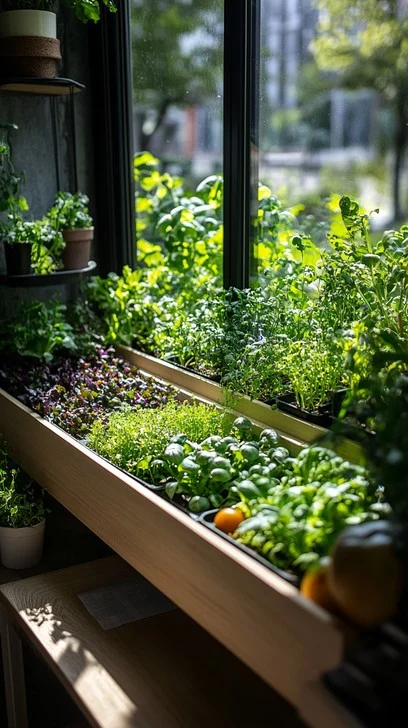
This is the ambient, diffused light found in north-facing windows or rooms with large windows shaded by outdoor obstructions. While it lacks the raw power to mature a giant beefsteak tomato, it provides the perfect, gentle environment for delicate greens and specialized microgreens.
2. Supplemental Artifical Light
This is the ultimate equalizer for vegetables for apartment gardening. By introducing artificial daylight bulbs, you bypass nature entirely. You can grow virtually anything anywhere—even in a windowless basement or a dark closet.
Source: StockCake
How Grow Lights Save the Day for Indoor Vegetables
If you want to move beyond basic low-light tolerance and achieve true abundance, pairing your plants with artificial setups is the path forward. Utilizing indoor vegetables with grow lights gives you total control over the growing season, eliminating issues with cloudy winter days or short dark nights.
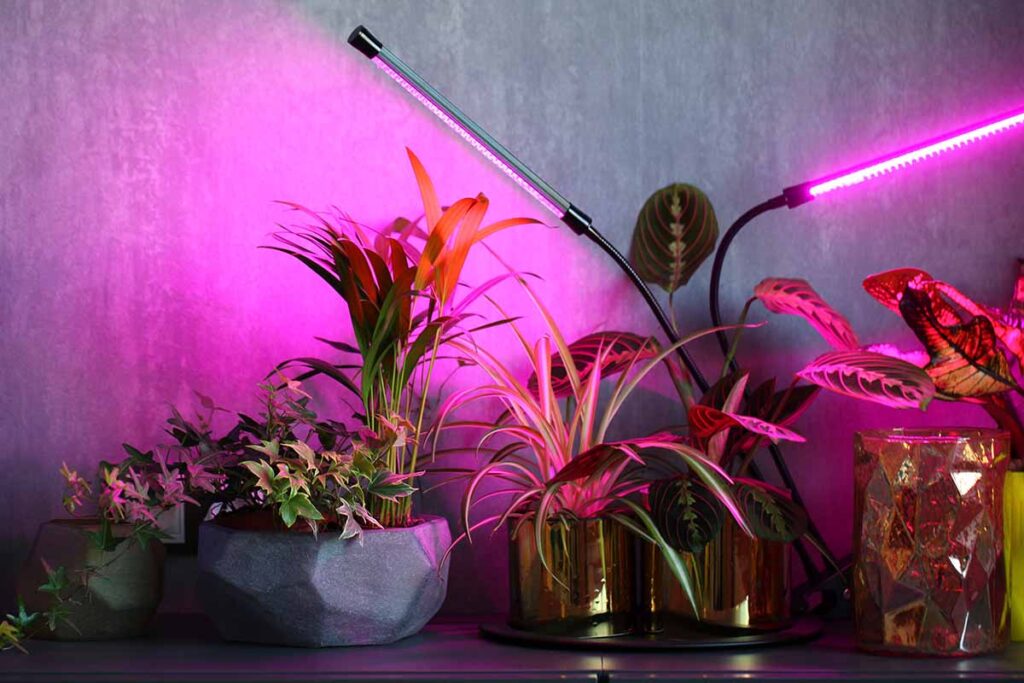
Modern agricultural technology has made this incredibly accessible. Old-school grow lights were notorious for being bulky, dangerously hot, and expensive to run. Today’s LED grow lights are sleek, cool to the touch, and consume very little electricity. They provide targeted light spectrums optimized for plant development:
- Blue Spectrum Light (400–500 nm): Essential for vegetative growth. It triggers robust, compact leaf development and prevents plants from becoming “leggy” (weak, thin, and stretching desperately toward a light source).
- Red Spectrum Light (600–700 nm): Essential for flowering and fruiting. It signals to dwarf varieties that it is time to produce blooms, which eventually turn into edible produce.
According to the University of Minnesota Extension, maintaining the proper distance between your plants and your light source is critical; seedlings thrive best when fixtures are kept just 4 to 6 inches above the growing canopy. By providing a stable 12 to 16-hour light cycle via an automatic wall timer, you create a perfect artificial summer.
10 Best Vegetables to Grow Indoors Year-Round
When selecting the best vegetables to grow indoors, focus on varieties that yield high volume relative to their size, feature shallow root systems, and have lower overall energy demands. Here are ten exceptional choices for your indoor garden.
1. Loose-Leaf Lettuce
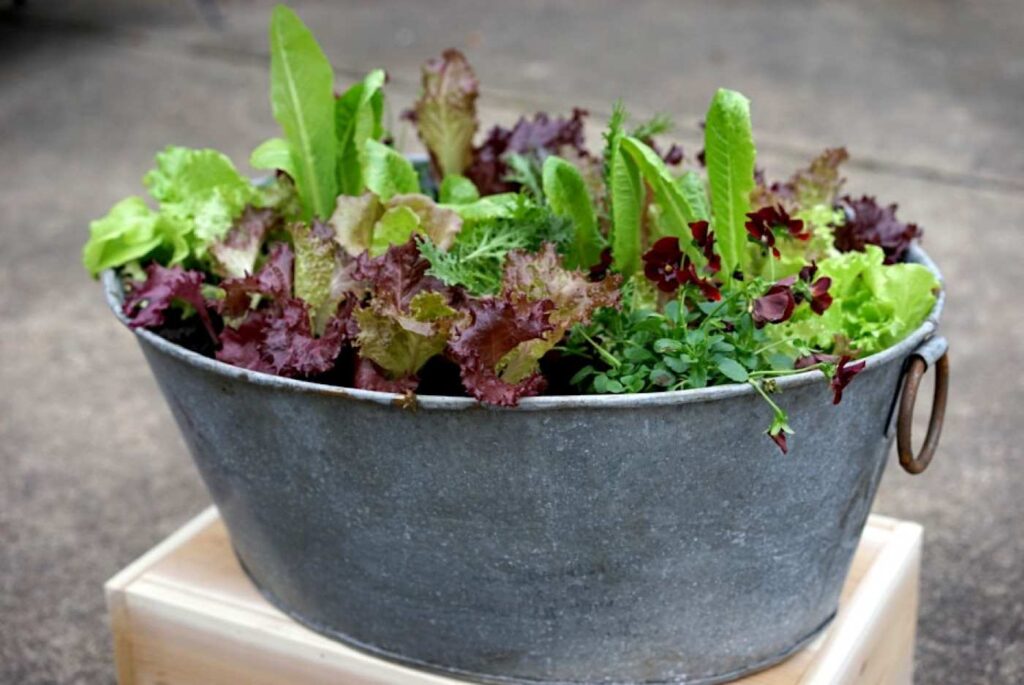
Lettuce is the undisputed champion of the indoor kitchen garden. Because its root system is shallow and it is harvested before flowering, it thrives on minimal energy. Focus on loose-leaf varieties (like Black Seeded Simpson or Red Sails) rather than head-forming lettuces. You can harvest using the “cut-and-come-again” method, snipping the outer leaves while leaving the center intact to grow more food.
2. Spinach
Spinach loves cool indoor temperatures and grows beautifully in wide, shallow bowls. It is highly sensitive to intense heat, which makes the climate-controlled environment of an apartment ideal. Give it a high-nitrogen organic potting soil to fuel rapid, dark-green leaf production.
3. Green Onions (Scallions)
Green onions are arguably the easiest vegetables to grow indoors, making them perfect for absolute beginners. You can grow them directly from seed, or simply salvage the rooted white bases from store-bought scallions. Submerge those leftover root bases in a small jar of fresh water on a counter, or push them into a pot of moist soil, and watch a brand-new stalk shoot up within days.
4. Kale
While outdoor kale can grow into a massive, woody shrub, indoor kale can be managed beautifully as a tender baby green. Varieties like Dino (Lacinato) or Red Russian adapt well to container life. Harvest the leaves when they reach 4–6 inches long for an incredibly tender addition to salads and smoothies.
5. Radishes
Most root crops struggle indoors, but radishes are a major exception due to their lightning-fast growth cycle. Varieties like French Breakfast or Cherry Belle go from seed to crisp, peppery harvest in just 21 to 25 days. Because they finish so quickly, they require minimal space and can be grown in standard window planter boxes.
6. Microgreens
Microgreens are simply standard vegetables (like broccoli, mustard, or chia) harvested right after their first true leaves appear. Because they are harvested at a tiny stage, the seed itself provides most of the required energy. This means they require almost no intense light and can be grown successfully on a kitchen counter using only ambient room light.
7. Culary Herbs
A kitchen counter filled with fresh herbs elevates both your home decor and your cooking. Focus on shade-tolerant, moisture-loving herbs like mint, parsley, chives, and cilantro. They perform beautifully in ambient, indirect light. If you want to grow Mediterranean herbs like rosemary, thyme, or basil, you will need to place them directly under a compact grow light to prevent them from losing their aromatic oils.
8. Bok Choy
This delicious, crunchy Asian green is perfectly suited for indoor cultivation. Dwarf varieties (like Baby Bok Choy or Toy Choy) grow to just 4–5 inches tall, making them perfect for tight shelves. They appreciate consistent moisture and cooler household temperatures.
9. Dwarf Tomatoes
Can you really harvest fresh tomatoes in a room without windows? Yes—if you select the right genetics. Avoid standard garden tomatoes and choose true micro-dwarf varieties like “Tiny Tim” or “Micro Tom.” These plants max out at 8–12 inches tall. They do require a dedicated grow light left on for 16 hours a day to produce sweet fruit, but they fit comfortably on a small desk or bookshelf.
10. Chili Peppers
Like dwarf tomatoes, chili peppers can be grown indoors if you opt for ornamental or compact container varieties (such as Apache, Prairie Fire, or basket-fruiting habaneros). They require a warm room and a strong grow light to set fruit, but their compact habit makes them an excellent, long-lived indoor perennial crop.
Quick Reference: Indoor Vegetable Comparison Profile
| Vegetable Name | Light Requirement | Growth Difficulty | Watering Frequency | Best Container Type |
| Loose-Leaf Lettuce | Low to Moderate (Indirect/LED) | Very Easy | Consistent (Keep moist) | Shallow, wide planter |
| Spinach | Low to Moderate (Indirect/LED) | Easy | Moderate (Dry slightly) | Wide, 6-inch deep pot |
| Green Onions | Low (Ambient room light) | Super Easy | Low (Change water/moist soil) | Small glass jar or small pot |
| Kale (Baby) | Moderate (Bright indirect/LED) | Easy | Moderate | 8-inch individual pot |
| Radishes | Moderate (LED recommended) | Easy | Consistent (Never let dry) | 6-inch deep window box |
| Microgreens | Very Low (Ambient room light) | Very Easy | Daily misting | Ultra-shallow plastic tray |
| Culinary Herbs | Low to Moderate (Indirect/LED) | Easy | Varies by herb variety | Individual terracotta pots |
| Bok Choy | Moderate (Bright indirect/LED) | Easy | Consistent (Keep moist) | Shallow rectangular trough |
| Dwarf Tomatoes | High (Requires dedicated LED) | Moderate | Moderate (When top inch is dry) | 8 to 10-inch deep pot |
| Chili Peppers | High (Requires dedicated LED) | Moderate | Low (Let dry between waterings) | 8-inch well-draining pot |
The Ultimate Setup for Low-Light Indoor Gardening
Building a highly productive indoor garden does not require a complicated renovation. To achieve long-term success in a low-light apartment, prioritize these three foundational elements:
1. Vertical Shelving
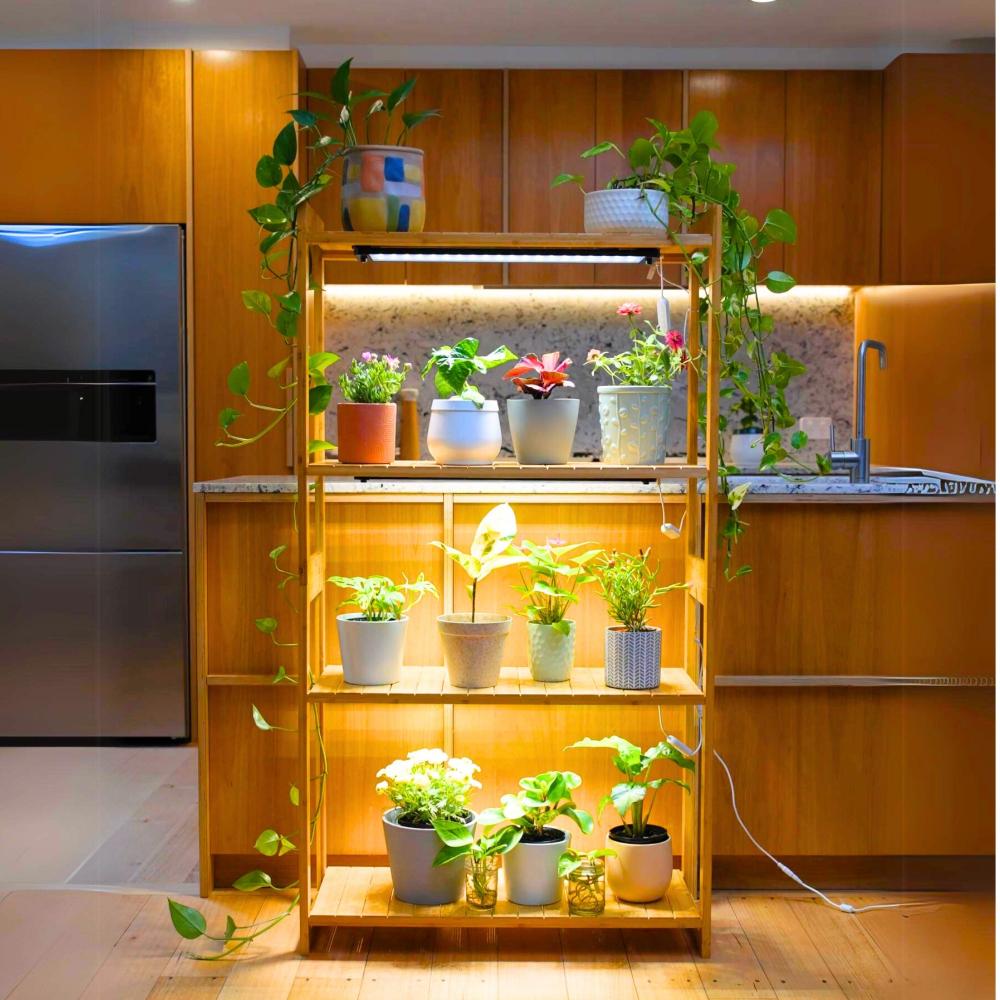
Floor space is premium real estate in apartment gardening. Utilize an inexpensive wire baker’s rack or a modular bookshelf to maximize your footprint. A single 4-foot-wide shelf unit can easily support four separate levels of production, expanding your growing capacity fourfold.
2. Smart Lighting Integration
Mount slim, lightweight LED grow light strips directly to the underside of each shelf using zip-ties or adhesive strips. Position the lights so they sit roughly 4–6 inches above the tops of your leafy greens. Look for fixtures with adjustable chains or clips so you can raise the lights as your crops grow taller.
3. Gentle Air Circulation
Outdoor plants are constantly strengthened by natural breezes, which also sweep away stagnant, humid air. Indoors, still air can lead to weak stems and fungal issues. Set up a small, low-wattage USB desk fan near your shelving unit on a low setting. This subtle air movement keeps your plants sturdy and helps prevent common soil molds.
Soil, Watering, and Nutrient Recommendations
Indoor containers lack the natural ecosystem balances found in outdoor earth. Because of this, your choice of growing mediums and maintenance habits will directly determine your success.
Potting Mix Selection
Never use dense garden soil dug up from outdoors; it will quickly compact in a pot, suffocating your roots and bringing unwanted pests into your home. Always choose a lightweight, sterile indoor potting mix blended with peat moss, coconut coir, and perlite. For leafy greens, look for a mix containing organic compost or earthworm castings to provide a gentle, foundational nitrogen source.
The Watering Golden Rule
Overwatering is the primary cause of plant failure for beginners. Without intense outdoor sun and wind, indoor pots dry out slowly. Before watering, push your index finger one full inch into the soil. If it feels damp and cool, walk away and check again in a couple of days. If it feels completely dry, water the container thoroughly until excess moisture streams out of the bottom drainage holes.
Targeted Urban Feeding
Because indoor potting mixes are designed to drain water quickly, nutrients leach out over time. Feed your leafy crops every two weeks with a diluted, organic liquid fertilizer (such as an organic fish emulsion or liquid seaweed).
Pro Tip: Always mix your fertilizer at half the manufacturer’s recommended strength. Indoor plants growing under lower light conditions process nutrients more slowly than outdoor crops, and over-fertilizing can easily scorch their delicate root systems.
5 Common Mistakes Indoor Beginners Make (And How to Fix Them)
Avoid these common pitfalls to keep your indoor vegetable garden thriving:
- Using Containers Without Drainage: If water cannot escape the bottom of a pot, it pools around the base, creating an anaerobic environment that rots roots. Always ensure your pots have functional drainage holes, and empty excess water from the collection saucers after watering.
- Allowing Plants to Get Leggy: If your seedlings look like thin, pale threads stretching toward the nearest window, they need more light energy. Move your LED grow lights closer to the plants (aim for 4–6 inches away) or increase the light timer duration to 16 hours.
- Ignoring Indoor Pests: Bugs like fungus gnats and spider mites can occasionally hitch a ride indoors. Inspect your plants regularly. If you spot tiny flies around the soil, reduce your watering frequency and place yellow sticky traps across the top of the pots.
- Crowding Seeds Too Closely: It is tempting to scatter seeds thickly, but crowded seedlings will compete for root space and light, resulting in stunted growth. Thin out your young plants according to the seed packet guidelines so each individual crop has room to mature.
- Forgetting to Harvest: Leafy greens are most productive when they are regularly picked. Frequent harvesting stimulates fresh, tender growth and prevents the plant from maturing too quickly.
Summary Checklist for Long-Term Success
- Pick the Right Varieties: Focus heavily on loose-leaf greens, herbs, and micro-dwarf crops.
- Invest in Quality LEDs: Look for full-spectrum LED fixtures to efficiently replace missing sunlight.
- Use Lightweight Soil: Always plant in a sterile, well-aerated indoor potting mix.
- Check Moisture First: Always test the top inch of soil with your finger before adding water.
- Keep Air Moving: Use a small clip-on desk fan to maintain clean air circulation and prevent mold.
By aligning your plant choices with your home’s unique light profile, you can enjoy a fresh, sustainable source of home-grown food. Start small with a single tray of salad greens or a few pots of fresh kitchen herbs, find your rhythm, and watch your indoor garden thrive!
Frequently Asked Questions
1. Can I grow vegetables in a room with absolutely zero windows?
Yes, you can. While vegetables cannot grow in complete darkness on their own, full-spectrum LED grow lights completely replace the sun’s role. By setting a light timer to provide 14–16 hours of daily light, you can easily grow greens, herbs, and radishes in an interior closet or a windowless basement.
2. How many hours should I leave my indoor grow lights on?
For leafy greens and ambient herbs, 12 to 14 hours of light per day is ideal. For fruiting or root vegetables like dwarf tomatoes and radishes, bump the cycle up to 16 hours. Always use an automatic plug-in timer to ensure consistency, as plants need a predictable dark period to rest and process energy.
3. Why is there white mold growing on top of my indoor plant soil?
White, fuzzy surface mold is a classic indicator of overwatering, poor air drainage, or lack of air circulation. It is generally harmless to the plant, but it means your soil is staying too wet. Scrape away the top layer of mold, let the soil dry out more between waterings, and use a small fan to increase local air movement.
4. How do I prevent my indoor vegetable plants from getting tall, thin, and weak?
This stretching behavior is called “etiolation,” and it occurs when a plant is searching for light. To fix it, move your artificial grow lights significantly closer to the top of the plant canopy (around 4 inches away) or move the container to a brighter location with more indirect light.
5. Do indoor vegetable gardens attract bugs into my apartment?
Indoor gardens are generally clean, but minor pests like fungus gnats can appear if your soil remains consistently damp. You can prevent this by using high-quality, sterile potting mixes, avoiding overwatering, and using yellow sticky traps to catch adult gnats before they reproduce.
6. Which vegetable grows the absolute fastest when planted indoors?
Microgreens and radishes are the fastest indoor crops. Microgreens are ready to harvest in 7 to 14 days, while small radish varieties can be pulled from the soil in as little as 3 to 4 weeks from the day you plant the seeds.
Related Posts
- A high-level overview post like Indoor Garden Ideas for Small Spaces“.
- Deep-dive companion articles on My Emerald Garden, such as “Vegetables that Can Grow Indoors Without Sunlight or Top Tips for Using a Grow Light for Seeds Successfully.